

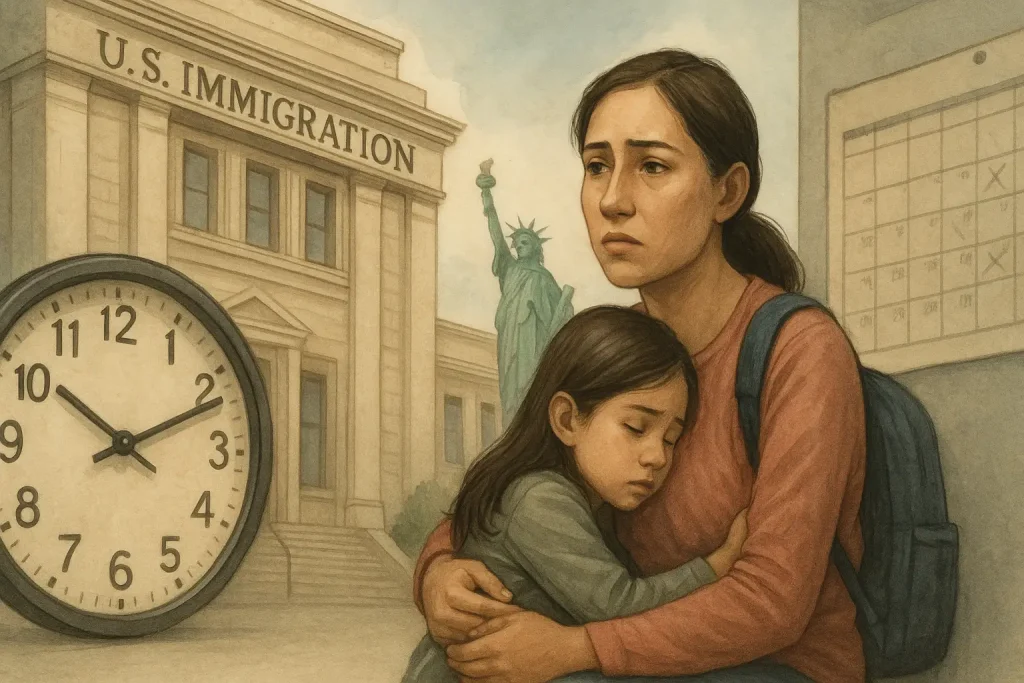
The asylum process in the United States can feel like a long journey, both emotionally and procedurally. From applying to waiting for decisions, the timeline can range from months to years.
Understanding every stage helps reduce uncertainty and keep you prepared. This guide will cover everything related to it in detail.
Read more: What to Look for When Hiring an Immigration Attorney
| Step | Typical Timeline |
| File I-589 (apply) | Within 1 year of U.S. arrival |
| Work Permit Eligibility (EAD) | 150–180 days after filing |
| Interview/Decision | Around 180 days, often delayed |
| Full Asylum Process Duration | Often 6 months to 4+ years |
This chart helps you see the key stages and how long each may take, depending on your case and location.
To apply, you must show a well-founded fear of persecution in your home country due to:
Not everyone qualifies; each case is unique, which is why carefully documenting your reasons is crucial. For guidance, see what to look for when hiring an immigration attorney.
Read more: How an Immigration Lawyer in Phoenix Can Help
Once your case is pending:
Once granted asylum:
The question How long does the asylum process take? doesn’t have a single answer; it depends on your case type, detail, and system delays. From applying to decision, expect anywhere from several months to several years.
But don’t let that stop you. Act now. The sooner your application is prepared and filed, the sooner you’ll be on the path to safety and stability in the U.S.If you want help with asylum or other immigration matters, contact Big Chad Law for professional guidance.
You can still apply, but you must prove why you missed the deadline, like serious changes in your home country or legal status exceptions.
Yes. You can file Form I-730 within two years to bring your spouse or unmarried children to the U.S.
No. While USCIS aims for 180 days, delays are common due to backlog and case complexity. Some cases take years.
Typically, you can apply for an EAD after 150 days, and you should receive it around 180 days if you’re eligible.
While attorneys can’t change government backlogs, they can help ensure your application is complete, credible, and less likely to be delayed or denied.
There’s no fixed timeline—USCIS aims to decide affirmative asylum in ~180 days, but real waits are often far longer due to backlogs. USCIS states a decision “should be made within 180 days” absent exceptional circumstances, yet DHS OIG and TRAC show very large backlogs (e.g., 3.43M total immigration court cases pending; 2.27M involve filed asylum applications as of Aug 2025).
Key takeaway: Set expectations: months to years is common
Apply at 150 days; USCIS can approve at 180 days—if your “asylum clock” wasn’t stopped by applicant-caused delays. USCIS confirms the 150/180-day rule and that the clock pauses for applicant-caused delays. For renewals, DHS made the automatic extension up to 540 days permanent effective Jan 13, 2025 for eligible categories.
Key takeaway: File I-765 after 150 days; avoid actions that stop the clock; renewals can carry a 540-day auto-extension if eligible.
USCIS schedules most recently filed cases first (LIFO), not strictly first-in-first-out. The Asylum Division prioritizes newer filings and certain rescheduled/children’s cases. That means some older cases can wait longer even as newer ones are interviewed.
Key takeaway: LIFO policy = unpredictable waits for older filings.
Sometimes—USCIS may expedite for urgent humanitarian reasons or significant public benefit. Expedite criteria are narrow and evidence-driven; requests are discretionary and should be directed to the office with jurisdiction.
Key takeaway: Expedites are possible but rare; submit documented urgency (e.g., medical hardship, safety risk).
Yes—file Form I-589 within 1 year, unless you qualify for a “changed” or “extraordinary” circumstances exception and file within a reasonable time. The one-year deadline and exceptions are codified in regulation.
Key takeaway: One-year rule is critical; exceptions exist but are strictly evaluated.